

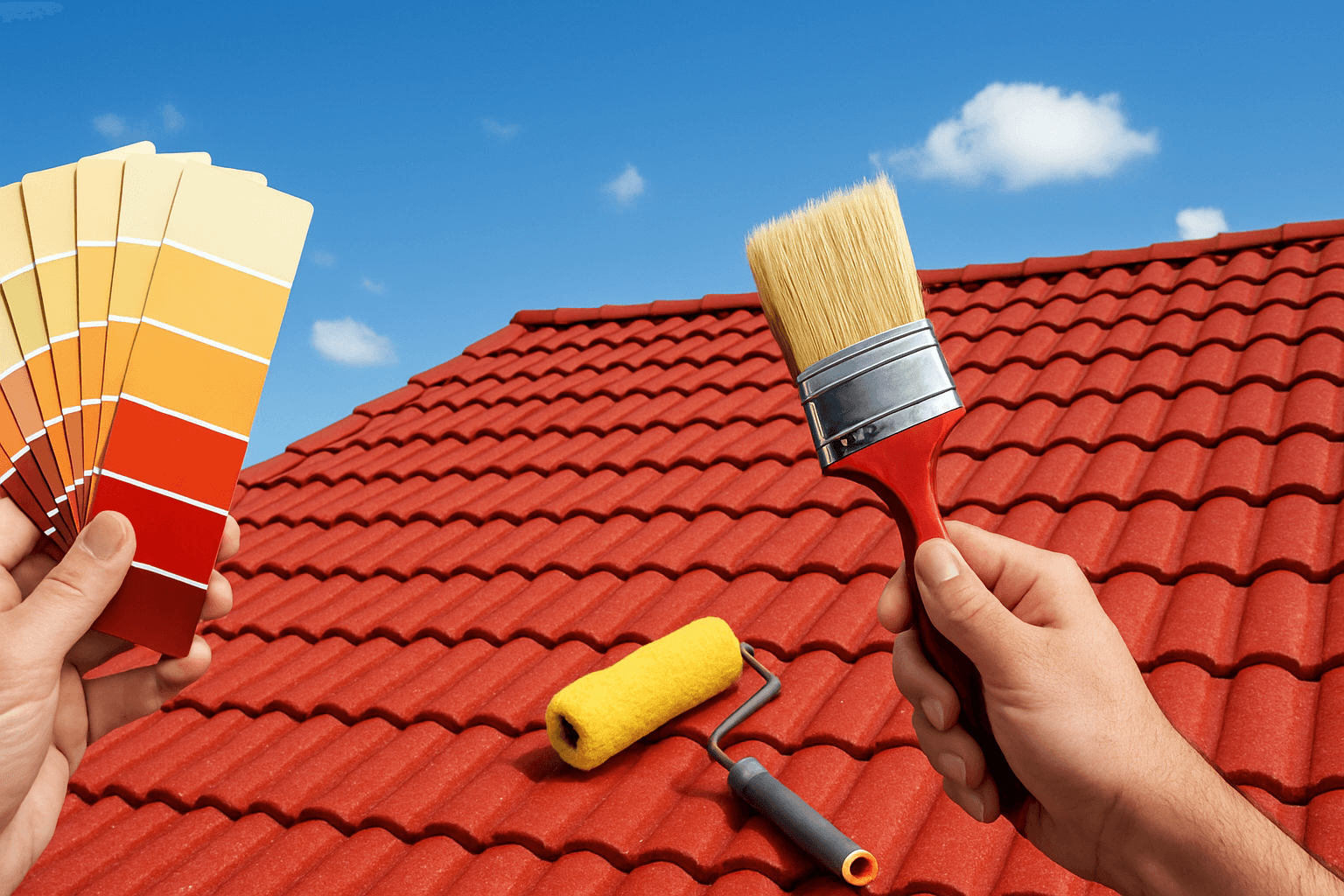
What if the paint on your roof could cut your energy bills and add ten years to its life—would you then treat it like an afterthought?
Your roof is the first line of defense for your home in South Africa. Choosing the right roof paint is a big decision. It affects protection, looks, and long-term cost. This guide shows why the right paint is key: it blocks UV damage, seals out moisture, and resists mould and corrosion on metal. It also improves thermal performance.
This guide will help you pick the right roof paint for different materials. You’ll learn about acrylic, elastomeric, silicone, bituminous, and polyurethane options. You’ll also decide whether to DIY or hire a pro. We’ll cover how climate, roof condition, and color choices impact your choice.
Key Takeaways
- Roof paint protects against UV, moisture, and corrosion while improving curb appeal.
- Climate factors in South Africa—heat, UV intensity, humidity, coastal salt—should guide product choice.
- Color affects indoor temperature and energy costs; reflective coatings can reduce heat gain.
- Consider long-term value over upfront cost when evaluating products and professionals.
Understanding your roof and its material
Before you pick a paint, learn about your roof surface and material. Knowing your roof type helps choose the right paint, prep, and repairs. This avoids mistakes that shorten paint life and cause leaks.

In South Africa, you’ll find many roof materials. Concrete and clay tiles are porous and need breathable coatings. Asphalt shingles require coatings that stick to their granules. Metal roofs, like corrugated steel, need specific primers.
Wood roofs, like shakes, need the right stains. Flat roofs, such as those with bitumen, need special waterproofing solutions.
Identify common roof materials
- Concrete and clay tiles: porous, need breathable coatings.
- Asphalt shingles: granular surface, choose acrylic or compatible paints.
- Metal roof types: corrugated steel, zincalume or Colorbond-style panels; treat for rust and adhesion.
- Wood roof: shakes and boards that require preservative treatment before painting.
- Flat membranes: bitumen, EPDM and similar surfaces that suit elastomeric or silicone coatings.
Assess the condition of your roof
Before painting, check your roof for damage. Look for cracked or broken tiles and loose elements. On metal roofs, check for rust and old oils that block adhesion.
Flat roofs may have ponding water and blisters. These signs indicate deeper problems.
Check for algae, moss, or lichen. These show trapped moisture and can stop paint from sticking. Make sure there are no leaks or structural issues. Fix any damaged areas before painting.
After repairs, clean and test adhesion. Pressure-wash to remove dirt and growth. Dry the roof fully, then test a small area with primer or paint. If it lifts, change your prep or pick a better product.
Why roof paint matters: protection, lifespan and aesthetics

Your roof does more than just protect you. A well-chosen painted roof boosts your home’s look and acts as a shield. Quality coatings tailored to your roof and climate offer both visible and measurable benefits.
First, let’s talk about protection. Paint and coatings block water, wind, and growth. For metal roofs, special products fight corrosion and ensure waterproofing.
Benefits of roof coatings and paint
Roof treatments extend your roof’s life. The right system, including primer and two coats, slows wear and tear. This means you save on expensive replacements and add value to your home.
Energy savings are another big plus. Reflective, light roof paints absorb less heat, keeping your home cooler. In hot areas, this means lower cooling bills and a cooler home.
- Durability and protection: Elastomeric and silicone systems add stretch and waterproof qualities to cope with thermal movement.
- Breathability: Acrylic paints let trapped moisture escape, reducing the risk of rot under shingles or tiles.
- Flat-roof strength: Bituminous options deliver proven waterproofing for decks and flat surfaces.
A painted roof can make your house look new and boost its value. Choosing the right colours can match your home’s style and neighbourhood. It also makes your home look better.
When you consider the benefits of roof paint and coatings, remember the big wins. You get protection, a longer roof life, and better comfort from UV protection. These benefits often make the initial cost worth it, supporting smart home ownership.
Types of roof paint and coatings to consider
Choosing the right roof paint can greatly affect your roof’s performance and appearance. You need a finish that protects against sun, rain, and temperature changes. This guide helps you pick the best coatings for your roof type and South Africa’s climate.

Acrylic roof paint is water-based, breathable, and flexible. It fights UV rays and fading, making it great for tiled, shingle, and concrete roofs. If you want a colour update with some protection and low VOCs, acrylic is a budget-friendly option that’s easy to apply.
Elastomeric roof solutions are flexible for roofs that change size with heat. They create a seamless waterproof layer, preventing cracks on concrete and tile. They’re perfect for low-slope roofs with big temperature changes.
Silicone roof systems offer top-notch waterproofing and UV resistance. They’re ideal for flat roofs with water pooling. Silicone lasts longer than many paints but costs more and needs proper surface prep for adhesion.
Polyurethane coatings offer great adhesion and impact resistance. They’re best for metal roofs and exposed areas where wear is likely. If your roof gets a lot of foot traffic or heavy use, polyurethane can help it last longer.
Metal roof coatings and reflective roof systems stop rust and corrosion on steel and Colorbond-style roofs. Reflective roof pigments and cool roof coatings reduce heat absorption, lowering indoor temperatures and energy use in sunny areas.
When comparing options, consider the substrate, expected lifespan, and local climate. The right mix of acrylic, elastomeric, silicone, bituminous, or polyurethane products will keep your roof in top shape and looking great.
Choosing the right roof paint for your roof type
Match paint to roof material
- Tiles and shingles: acrylic systems are good for terracotta and concrete tiles. A primer helps with absorption and coverage.
- Metal roofs: use polyurethane or oil-based coatings with anti-corrosive primers for steel and galvanised sheets.
- Low-slope and flat roofs: elastomeric or silicone coatings are flexible and water-resistant, great for areas where water can pool.
- Existing coatings: make sure the new paint is compatible. Old oil-based paints might need sealing or removal before applying new water-based products.
When picking paint, balance quality with cost. Compare product data sheets, read reviews from South African homeowners, and choose a system that suits your roof and local climate.
Climate, weather conditions and South Africa-specific considerations
South Africa’s weather varies greatly, affecting your roof’s performance. The hot sun, coastal winds, and rainy seasons require special paint. It must protect your roof and keep your home cool and dry.

How UV intensity and heat influence paint choice
UV rays and heat can cause fading and chalking. Choose paints with UV protection and cool pigments. This helps keep your roof’s surface temperature down and extends its life.
Look for paints from brands like Dulux, Plascon, or Sika. They should have UV stabilizers and high solar reflectance. These reflective paints help keep your home cooler and save on cooling costs.
Rainfall, humidity and waterproofing needs
Areas with lots of rain and humidity need waterproof roofs. Use silicone, elastomeric, or bituminous coatings for strong waterproofing. These coatings also stretch and move with your roof.
Choose paints that resist mould and mildew in humid places. Plan your painting during a dry spell. This ensures the paint dries well and sticks to your roof.
Coastal and corrosive environments
Coastal homes face salt spray and corrosion. Use marine-grade primers and anti-corrosive coatings on metal roofs. This protects them from damage.
Regular maintenance is key in coastal areas. Check for rust and reapply protective coatings. This keeps your roof looking good and working well.
Think about your local climate and roof type when choosing paint. The right paint technology protects against heat, rain, and coastal corrosion.
Colour selection and energy efficiency

Choosing a roof colour is more than just picking a shade. It impacts your home’s comfort, cooling costs, and roof’s lifespan.
Light colours reflect sunlight, reducing heat gain. This is a big plus in South Africa’s hot summers. It cuts down on air-conditioning bills. Cool roof coatings also enhance reflectivity and protect roofing materials.
Dark colours, on the other hand, absorb heat. They’re okay in cooler areas but can make homes hotter in places like Durban, Johannesburg, and Cape Town. Consider your local climate when picking a colour.
Practical trade-offs matter: Reflective systems might limit your colour choices. Special pigments for colourfastness or cool roof coatings can increase painting costs. Balance energy savings with your desire for a good look when picking roof paint.
When planning roof repair or a repaint, follow this checklist:
- Check the roof’s condition before choosing a colour to avoid wasting money on a failing surface.
- Compare energy efficiency ratings for paints and coatings to estimate long-term savings.
- Match the colour to your house exterior and neighbourhood guidelines for a nice look.
Choosing a colour wisely means focusing on performance as much as looks. This approach helps manage painting costs, boosts energy efficiency, and extends your roof’s life with the right materials and coatings.
Application, preparation and maintenance best practices
Before you start painting your roof, take a moment to plan. Good surface preparation saves time and money. It ensures coatings stick well, prevents leaks, and makes the roof last longer.
Surface preparation and repairs before painting
First, check your roof for moss, algae, loose paint, and oil. Use pressure-washing or gentle cleaning to remove dirt and growth. For metal roofs, brush off rust and prime it.
Replace broken tiles, fix leaks, and ensure the surface is dry before painting. Always wear safety gear while working. Use ladders, harnesses, eye protection, and a respirator when necessary. For big jobs, mix sprayers with rollers and brushes for edges and details.
Correct application methods and timing
Paint when the weather is dry to ensure proper curing. Always read and follow the manufacturer’s instructions. Most systems need two coats with specific drying times in between.
Paint from the ridge down, in sections to avoid runs. Use the right tools for your product and watch the temperature and humidity. This ensures the best results.
Maintenance to prolong painted roof life
Check your roof yearly and after big storms. Look for peeling, blistering, or blocked gutters and clear them quickly. Fixing small problems early prevents bigger repairs later.
- Keep the roof surface clean of leaves and branches.
- Treat peeling areas quickly and spot-prime before reapplication.
- Follow manufacturer’s instructions for silicone and elastomeric systems to preserve waterproofing.
Expect to reapply or recoat every 5–10 years, depending on the product and exposure. Regular maintenance keeps your painted roof strong, protects your home, and extends the finish’s life.
Budgeting, product selection and choosing a professional
You want a roof that lasts and looks great without spending too much. Start by comparing the cost of roof painting to long-term savings. High-quality roof paint may cost more upfront but saves on maintenance and replacement over time. Think about the savings over the roof’s life when picking a paint for your home in South Africa.
Read technical data sheets and safety data sheets to compare products. Look at adhesion, UV resistance, coverage rate, and dry film thickness. These details show which roof paint brands offer real benefits. Brands like Plascon, Dulux, and Berger offer tested ranges, including high-build elastomeric and silicone formulas.
Comparing cost versus long-term value
Make a list of total costs: material, labour, scaffolding, and maintenance. Then, consider the expected life span. A premium silicone or elastomeric system may cost more initially but can save on repairs later. Use this comparison to find what fits your budget and offers the best value.
How to evaluate roof paint brands and product data
- Review TDS and SDS for tensile strength and elongation numbers.
- Confirm coverage rate in m²/L and recommended dry film thickness.
- Seek local suppliers who understand coastal corrosion and high UV exposure.
DIY versus hiring a professional roof painter
When picking a contractor, ask for references and proof of licensing. Get written quotes that detail labour, material, and timelines. This clarity helps you choose the right paint and team for your home.
Conclusion
You now have a simple guide to pick the right roof paint. First, check your roof’s material and condition. Then, choose paint types like acrylic or silicone based on your roof and local weather.
This guide helps you find a balance between protecting your roof and keeping it durable. In South Africa, look for paint that resists UV rays, reflects sunlight, and keeps water out.
Coastal homes need anti-corrosive metal coatings, while flat or rainy roofs need strong waterproof systems. Using the right paint and following the manufacturer’s advice ensures your roof lasts under harsh weather.
Think about how the paint looks and how it saves energy. Also, consider the cost and how long it lasts. If the job is too hard or you’re worried about safety, get a professional to do it.
By picking the right roof, using the right materials, and taking care of the paint, you make your roof last longer. You also improve your home’s look and save on energy bills.
More practical roof, damp and waterproofing guides
Continue with closely related guidance, then review the relevant Cape Town service page.
Discuss your painting requirements
Review CDC Painters services or request a project-specific quotation.