

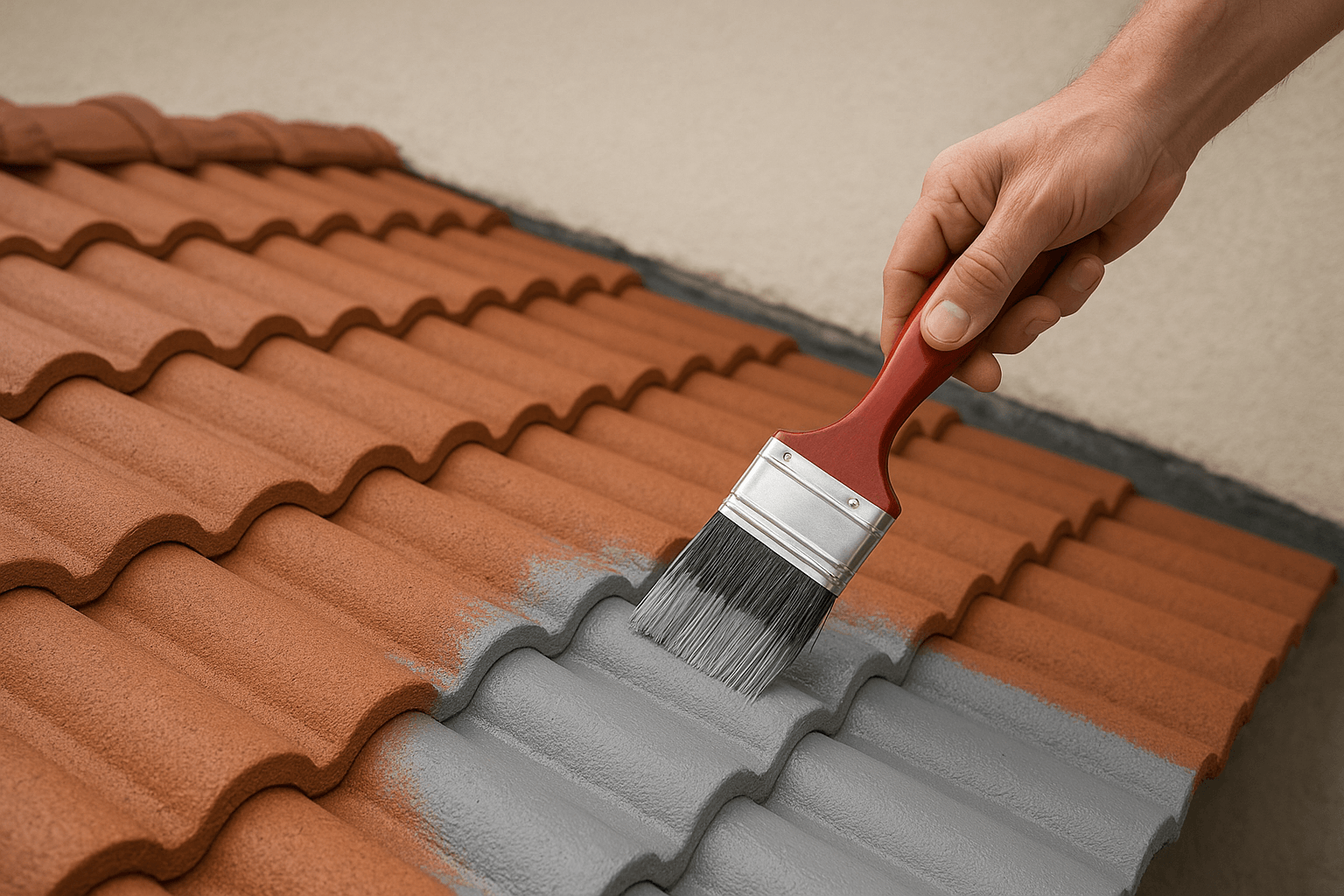
Did you know the right roof paint can make a roof last up to 10 years longer? Choosing the right paint for your roof is key. It depends on the roofing material and the weather it will face. The right paint protects your roof from sun damage and heavy rain.
Whether your roof is metal, tile, or shingle, picking the best paint is important. You need to know about different paints and what works best in your area. Let’s explore what makes certain paints perfect for your home.

Introduction to Roof Paints
Roof paints are special coatings that protect and extend the life of your roof. They are different from regular wall paints. *Quality roof paint* has benefits like UV resistance, waterproofing, and elasticity. These are key for dealing with the changes in temperature.
Choosing a top-notch *roof coating* is key to protecting your roof. These coatings shield your roof from bad weather and keep your home looking good. They are a smart choice for South Africa’s changing weather.
Experts in *roof coatings* know what different roofs need. They provide custom solutions to make your roof last longer and work better. The right roof paint can make your roof last longer and save you money on repairs.
Factors Affecting the Choice of Roof Paint
Choosing the right paint for your roof involves several important factors. These factors help ensure the paint protects and lasts long on your roof.
Climate and Weather Conditions
The local climate and weather are key in picking the best roof paint. If your area has harsh weather—like heavy rains, strong sunlight, or high humidity—choose a paint that can handle it. This keeps your roof safe and looking good for years.

Type of Roof Material
The material of your roof also affects paint choice. Different materials, like metal, tile, or asphalt shingles, need specific paints. Knowing your type of roof helps pick a paint that boosts its durability and life.
Durability and Longevity
Durability and longevity are critical when picking roof paint. Going for high-quality, durable paint means less frequent touch-ups. This saves money and extends your roof’s life.
The Benefits of Using Roof Paint
Roof paint is a key defense for your property. It offers many benefits that make your roof last longer. It also makes your roof look better and saves money on upkeep.
Protection from UV Rays
Roof paint protects your roof from UV rays. It reflects harmful sun rays, preventing damage and keeping your home cool. This is very important in sunny areas to prevent wear and tear.
Waterproofing and Leak Prevention
Roof paint is also waterproof. It creates a barrier that stops water from getting in. This is vital for leak prevention during rainy days. It keeps your home dry and prevents costly damage.
Extending Roof Lifespan
Using roof paint can make your roof last longer. It protects your roof from rain, wind, and UV rays. This means you won’t need to fix or replace your roof as often, saving you money.
In short, getting good roof paint is a smart move for any homeowner. It protects your roof, saves money, and makes your home more comfortable.
Types of Roof Paints
When looking at roof paints, it’s good to know the different kinds. Each is made for certain roofs and weather. This helps you pick the best paint for your roof’s protection and lasting power.

The acrylic roof coating is a common choice. It reflects sunlight, which can lower your roof’s temperature. This saves on cooling costs. Plus, it’s great at blocking UV rays, perfect for sunny places.
The elastomeric roof coating is known for its stretchiness. It moves with your roof, stopping cracks and leaks. This makes it great for places with big temperature swings.
Then there’s silicone roof coatings. They’re top-notch at fighting off weather, like heavy rain and strong UV rays. They also keep your roof leak-free for a long time.
Every roof paint type, from acrylic to silicone, has its own benefits. Choosing the right one depends on your roof and local weather. This ensures your roof stays safe and in good shape for many years.
Acrylic Coatings for Roofs
Acrylic coatings are a top pick for roofs because they’re affordable and work well in many climates. They help make buildings cooler by reflecting sunlight. This cuts down on air conditioning costs.
Their reflective qualities are great for places with lots of sun. This makes them a smart choice for buildings in sunny areas.
Properties and Benefits
Acrylic coatings have many good points. They reflect a lot of sunlight, which saves energy. They’re also tough, flexible, and stand up to weather.
These coatings protect roofs from UV rays, making them last longer. Plus, they’re simple to put on and keep up. This makes them a good fit for many buildings.
Ideal Applications
Acrylic coatings work well on different roof types, like metal, asphalt, and single-ply membranes. They’re best in hot areas because they reflect sunlight and save energy.
They help keep buildings cool, which makes indoor temperatures more comfortable. This boosts energy efficiency. Also, they prevent damage from temperature changes.
Silicone Roof Coatings
Silicone roof coatings are a great choice for protecting your roof. They are high-performance and form a seamless membrane. This makes them very effective in extending your roof’s life.
Weather Resistance
A silicone roof stands out for its unmatched weather resistance. These coatings can handle extreme weather, like heavy rain and strong UV rays. They can also withstand ponding water, preventing leaks and water damage. This keeps your roof in good shape and working well.

Longevity and Durability
Silicone coatings are also very durable and long-lasting. They don’t break down or degrade quickly, even with standing water. This is great for roofs in rainy areas. Plus, their long life means less maintenance, saving you money over time.
Polyurethane Roof Coatings
Polyurethane roof coatings are great for making your roof last longer. They work well in places with lots of foot traffic and where things might hit the roof. These coatings add a strong layer of protection for homes and businesses.
Impact Resistance
Polyurethane roof coatings are also very good at handling impacts. They can stop damage from falling things, weather, or just everyday wear. Using these coatings helps keep your roof safe from harm and makes it last longer.
UV Protection
Polyurethane roof coatings also protect well against UV rays. UV rays can damage roofs, causing cracks and wear. These coatings block UV rays, keeping your roof safe and looking good for years. This is very important in sunny areas, making polyurethane coatings a smart choice to protect your roof.
Paint Used on Roofs: A Practical Guide
Painting your roof requires practical knowledge. This guide will help you choose the right paint and learn application techniques. It also covers regular maintenance to keep your roof in great shape.

Choosing the Right Paint
Choosing the right paint depends on your roof’s material and the local weather. For humid areas, water-resistant coatings are best. In sunny places, UV-resistant paints are essential.
Application Techniques
Learning application techniques is key for a lasting, good-looking paint job. Start by making sure the roof is clean and free of debris. Applying the recommended number of coats helps protect and extend the life of your roof.
Regular Maintenance Tips
Regular upkeep is vital for your painted roof’s longevity. Clean it regularly to remove dirt and moss. Also, check for wear and tear often. These steps help keep your roof looking and working well.
Painting Metal Roofs
Painting metal roofs can make your roof last longer and look better. But, you must prepare and prime the metal right to make the paint stick well.
Preparation and Priming
Before you paint, you need to get the metal ready. This means:
- Cleaning: Clean the metal well to get rid of dirt, rust, and old paint. Use a pressure washer or a stiff brush with a metal cleaner.
- Sanding: Sand the surfaces lightly. This makes the primer stick better.
- Priming: Use a good primer for metal roofs. This helps the paint stick and protect the roof.
Types of Paint for Metal Surfaces
Choosing the right paint is key for metal roofs. Here are some good options:
- Acrylic Paints: These paints stick well and are flexible. They also protect against UV rays and weather.
- Oil-Based Paints: These paints are durable and protect against corrosion. They’re great for tough weather.
- Polyurethane Paints: These paints offer strong protection against chemicals and weather. They’re perfect for metal in harsh conditions.
Choosing and applying the right paint can make your metal roof last longer and look better. It keeps your roof in top shape for years.
Water-Based vs. Oil-Based Roof Paints
Choosing between water-based and oil-based roof paints affects your roof’s look and life. Knowing their advantages and disadvantages helps you decide.
Advantages and Disadvantages
Water-based roof paints are easy to apply and dry fast. They’re great for places with changing weather, as they dry quickly. Cleaning up is simple with just soap and water. But, they might not last as long as oil-based paints.
Oil-based roof paints last longer and are more durable. They protect well against harsh weather, making them good for long-term use. But, they take longer to dry and need solvents for cleaning, which isn’t good for the environment.

Best Uses for Each Type
Water-based roof paints are best for homes with changing weather. They work well on many surfaces, like asphalt shingles and concrete tiles.
Oil-based roof paints are best for tough environments needing strong protection. They’re great for metal roofs and areas with extreme weather. The right paint depends on your roof’s needs, so consider both options carefully.
Expert Tips for a Successful Roof Painting Project
Starting a roof painting project needs careful planning and execution. Here are some expert tips to help you succeed:
First, selecting the right time is important. South Africa’s weather can change quickly. Choose a season with little rain and mild temperatures. This helps the paint dry well and last longer.
Next, gather all the tools and materials you need. A good roof painting job requires quality brushes, rollers, ladders, and safety gear. Using the best tools ensures the best results.
Also, if you’re new to roof painting, get help from a professional. A pro can save you time and money. They ensure the job is done right and lasts longer.
Lastly, preparation is essential. Clean the roof well and fix any damage before painting. This makes the paint stick better and gives a smooth finish.
Conclusion
In this guide, you’ve learned a lot about roof painting. You now know about different paints like acrylic, silicone, and polyurethane. Each has its own benefits and uses.
Choosing the right paint is key to a well-protected roof. Think about your climate, roof type, and how long you want it to last. Proper preparation and application are also important. This way, your roof will last longer and keep your home safe.
By following the right steps, your roof painting project can be a success. It will look great and keep your home safe from the weather. This is a smart investment for your property.