

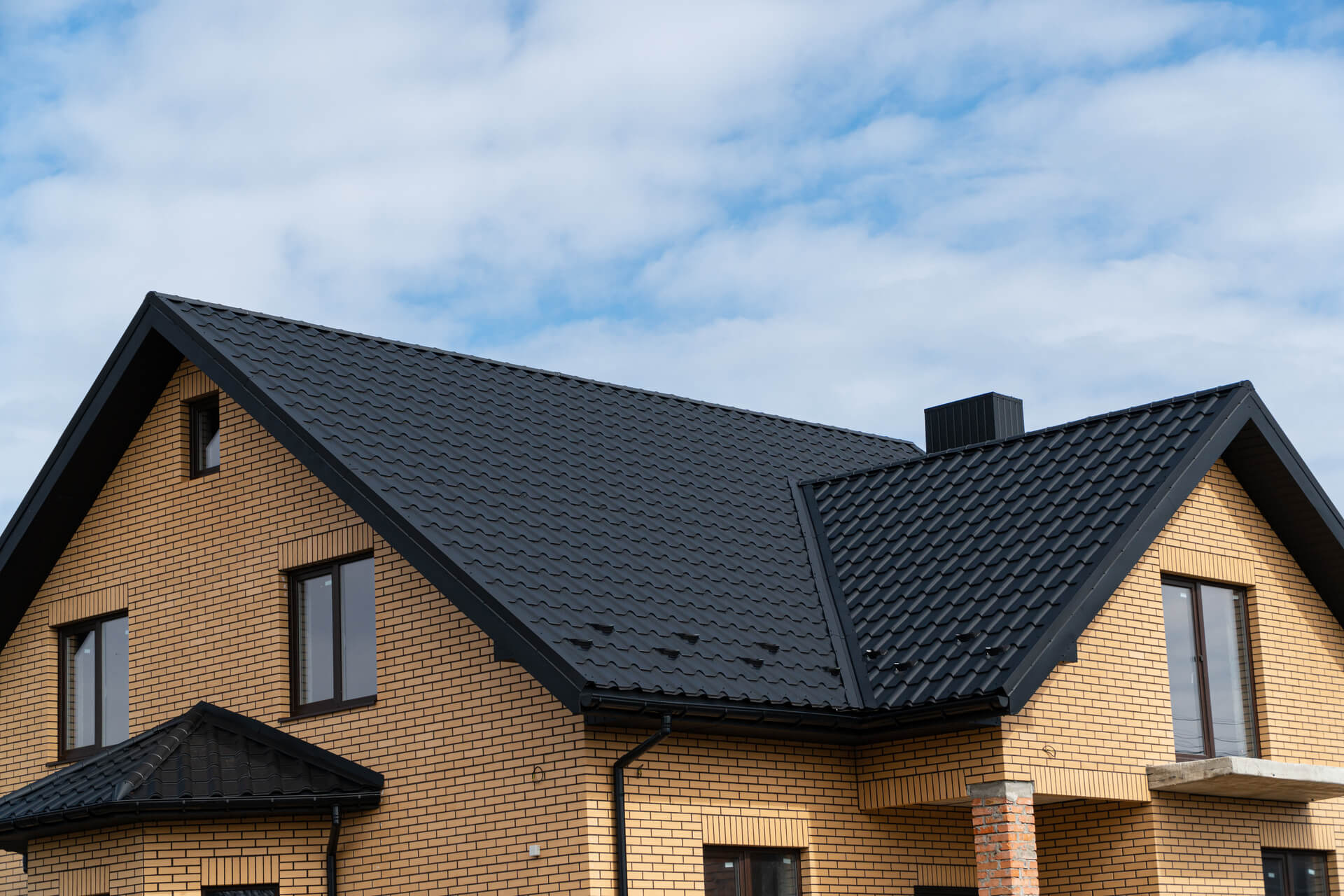
Ever thought about if your roof’s colour and coating really protect your home? Or are they just for looks? In South Africa, picking the right paint for your roof is more than just about looks. Weather, material, and how well you prepare the surface all play a big role in how well the paint will last.

First, think about what your roof is made of—metal, terracotta tile, concrete, or asphalt. And check how it’s doing now. These things decide if the paint will stick, fight off rust, or keep water out. For the best results, go for roof-specific paints like Acrylux Roof Paint. Make sure the surface is dry and gets sunlight while you apply and cure it.
Don’t forget about colour choices. The right paint can make your home look better, save energy, and even increase its value. Check local rules and use tools from DECRA or others to see how it will look. Lastly, pick a contractor who’s licensed, insured, and knows how to do roof painting right. They’ll make sure everything is done right, from prep to finish, and they’ll stand behind their work.
Key Takeaways
- Match paint to roof material and condition before you buy.
- Ensure surfaces are dry and sun-exposed for proper bonding.
- Choose long-lasting, roof-specific products like Acrylux systems.
- Consider colour for energy efficiency and curb appeal.
- Hire a licensed, insured contractor with local experience.
Assess your roof material and condition

Before picking paint, know your roof’s surface and its state. Each roof type needs specific prep and products. A quick look can reveal issues that affect how well paint sticks and lasts.
First, figure out if your roof is metal, tiles, asphalt shingles, or concrete. Clay or terracotta tiles are perfect for Mediterranean homes. Asphalt shingles work well for Colonial or suburban styles. Metal roofs last 40–80 years, while asphalt shingles last 15–20 years.
Then, inspect your roof or get a pro to do it. Look for rust on metal, broken or loose tiles, worn-out granules on asphalt shingles, and cracks in concrete. Also, check for algae or mould that needs to be treated before painting.
Choose the right primer and coating for your roof. Porous concrete needs waterproofing and sealers to stop moisture. Metal roofs need anti-corrosion primers and coatings for good adhesion. For barrel tile, S-tile, or flat tile, use a conditioner like Acrylux AC-64 before painting.
Use this checklist for repairs and prep:
- Clean the roof surface well to remove dirt, moss, and loose material.
- Fix cracked tiles, replace loose asphalt shingles, and treat rust spots on metal.
- Let the substrate dry and get full sun exposure to improve bonding.
- Do a formal roof inspection to find areas needing sealing or structural work.
By choosing the right products for your roof and fixing it first, you ensure better adhesion and a longer-lasting coating.
Choosing paint for your roof
You need paint that matches your roof’s material and local climate. The right paint improves waterproofing, UV protection, and longevity. Here are practical options for common roof types and tips for South African conditions.
- Acrylic roof paint works well on masonry, tile, and many asphalt surfaces with a good primer.
- An elastomeric roof coating stretches to bridge hairline cracks on concrete and tile, helping with thermal movement.
- Silicone roof coating shines for flat and low-slope roofs because it resists ponding water and stays waterproof longer.
- Bituminous coatings suit built-up roofs and some concrete systems for heavy-duty waterproofing.
Benefits of acrylic roof paint and when to use it
Acrylic roof paint gives strong UV resistance and good adhesion across several substrates. Use it on pitched tile, asphalt, and prepared metal where breathability and color retention matter. Apply two coats over a high-quality primer for best results.
When to choose elastomeric or silicone roof coatings for waterproofing
Choose an elastomeric roof product if your surface needs flexibility to handle expansion and contraction. It helps prevent cracking in older tile or concrete roofs. Select a silicone roof coating when you face persistent ponding water or need a long-lasting waterproof membrane on a low-slope roof.
Metal roof coatings and anti-corrosion options
- For metal roofs, use anti-corrosion primers first, then apply metal roof coatings formulated for steel or aluminum.
- Some metal systems like DECRA offer stone-coated profiles that pair with modern coatings and cool pigments for heat reflection.
- Choosing the right type of paint for metal prevents rust, improves adhesion, and extends service life.
When choosing paint, match the roof coating to the substrate, expected weather, and maintenance plan. The right coating delivers mould resistance, waterproofing, and improved thermal performance when applied correctly.
Consider climate and weather conditions in South Africa
Climate plays a big role in choosing roof paint in South Africa. Pick coatings that fit the local weather to protect your roof, cut down on upkeep, and make your home more comfortable.

UV resistance and reflectivity for hot, sunny environments
Strong sun and high UV levels need paints with top UV resistance. Choose uv-resistant coatings that reflect sunlight and slow down colour fade.
Light colours and cool-roof pigments reflect sunlight better. Some modern paints have reflective pigments that help, even in darker shades. This keeps your roof and living spaces cooler.
Humidity, rain and waterproofing needs for coastal areas
Coastal areas have high humidity, salt spray, and lots of rain. You need waterproof coatings with mildew resistance to avoid blistering and staining.
Paint when the forecast says it will be dry and the temperature is stable. Make sure the paint has time to cure before exposing it to moisture or cold.
Thermal expansion, contraction and paint flexibility for extreme weather
Roofs expand and contract with temperature changes. Choose flexible paints that move with the roof so they don’t crack.
Elastomeric and silicone paints work well in extreme weather. They stretch and recover with temperature changes, staying durable in South Africa’s varied climates.
Durability, longevity and maintenance expectations
Choose coatings that offer proven durability and long-lasting protection. Your roof’s lifespan depends on the material, surface prep, and quality of paints. High-quality coatings protect metal, tile, and concrete roofs. They also support warranty validity from brands like Dulux or Plascon.

How paint quality affects long-lasting protection and warranty
Premium coatings resist UV and moisture, keeping your roof working for years. Warranty terms often require proper surface prep and professional application. Hiring experienced contractors in South Africa keeps warranties valid and improves results.
Expected lifespan of common roof coatings and recoat intervals
Different coatings last for varying times. Modern roof coatings can protect for 10–15 years if applied right. Metal roofs can last 40–80 years, and asphalt shingles 15–20 years. Coatings can extend these lifespans.
Watch coating condition and follow recoat intervals from the manufacturer. Regular checks help plan recoats before waterproofing fails. Keep records of dates, products, and application details for warranty claims.
Preventing mould, mildew and colour fading
Regular maintenance lowers mould and mildew risk. Clean gutters, remove debris, and check seals after storms. Use mould-resistant and UV-resistant paints to slow wear and colour fading in sunny spots.
Fix cracks and flashings quickly to stop moisture and mildew. Small, regular tasks keep your roof lasting longer and looking good.
Energy efficiency and colour choices

Your roof colour does more than just look good. The right choice can cut down on heat absorption and lower cooling costs. This is key in South Africa’s climate. Choosing the right paint and pigment helps keep your home cooler and boosts energy efficiency.
How colour affects heat absorption?
Lighter colours reflect more sunlight, which cools the roof. This means less heat gets into your home, reducing the need for air conditioning. Dark colours, on the other hand, absorb more sun and can make your home hotter unless you use special coatings.
Cool roof options and reflective pigments
Cool roof options include paints with high solar reflectance and reflective pigments. These work even in mid-tone colours. DECRA and other manufacturers show that the right material and coating can greatly improve energy efficiency.
Balancing curb appeal, architectural style and resale value
Choose a colour that fits your home’s style. Mediterranean homes look great in terracotta, while contemporary designs suit charcoal or black. Colonial homes are best in chestnut or slate. This choice keeps your home looking good and supports its resale value.
Practical tips
- Test samples on a small area to see how the shade performs in natural light.
- Check product datasheets for solar reflectance and expected lifespan.
- Follow HOA rules and local aesthetics to protect resale value.
Preparation, application and professional help
Before painting your tiles or metal sheeting, you need a solid plan. Clean the surface well and apply the right primers or conditioners. Choose a dry day and let each coat dry fully to avoid moisture issues.

Cleaning
Begin by cleaning off dirt, algae, and loose material. Pressure washing works well for concrete and asphalt roofs. For metal roofs, use a mild detergent and rinse thoroughly. Clean surfaces help primers and conditioners stick better, reducing failures.
Primers and surface conditioners
Choose a high-quality primer or surface conditioner like Acrylux AC-64. These products help on porous and weathered surfaces. Follow the label for application and recoat times.
Application timing
Plan the work for good weather. Aim for no rain, low humidity, and sun for drying. Avoid starting too late to prevent dew before drying.
Licensed insured professional
Find a licensed, insured pro with local experience in South Africa. They know the climate and regulations. They can check your roof, suggest coatings, and do repairs before painting. Ask for references and past work examples.
Cost considerations
Get quotes that break down product and labour costs. Better coatings and skilled application cost more upfront. But, you might save money in the long run with less maintenance and a longer roof life.
Decision checklist
- Confirm cleaning method and inspector sign-off before priming.
- Verify primers and surface conditioners suit your roof material.
- Plan application timing for sustained dry conditions and sufficient curing time.
- Choose a licensed insured professional with regional experience and good references.
- Compare quotes that list product labour separately to evaluate cost considerations and long-term savings.
Conclusion
When picking paint for your roof, match the product to the material. Make sure the surface is ready and choose a dry, mild day for painting. These steps help ensure the paint lasts long and looks good.
Think about what you need from your roof paint. Do you want it to keep water out, save energy, or look nice? The colour and type of paint you choose can affect how well it works. A pro can help pick the best paint for your roof, making it last up to 10 years or more.
Follow the paint maker’s advice on getting the surface ready and when to apply more coats. It’s also smart to hire a licensed contractor with local experience. This way, you get a paint job that lasts and works well, saving you money and energy in the long run.