

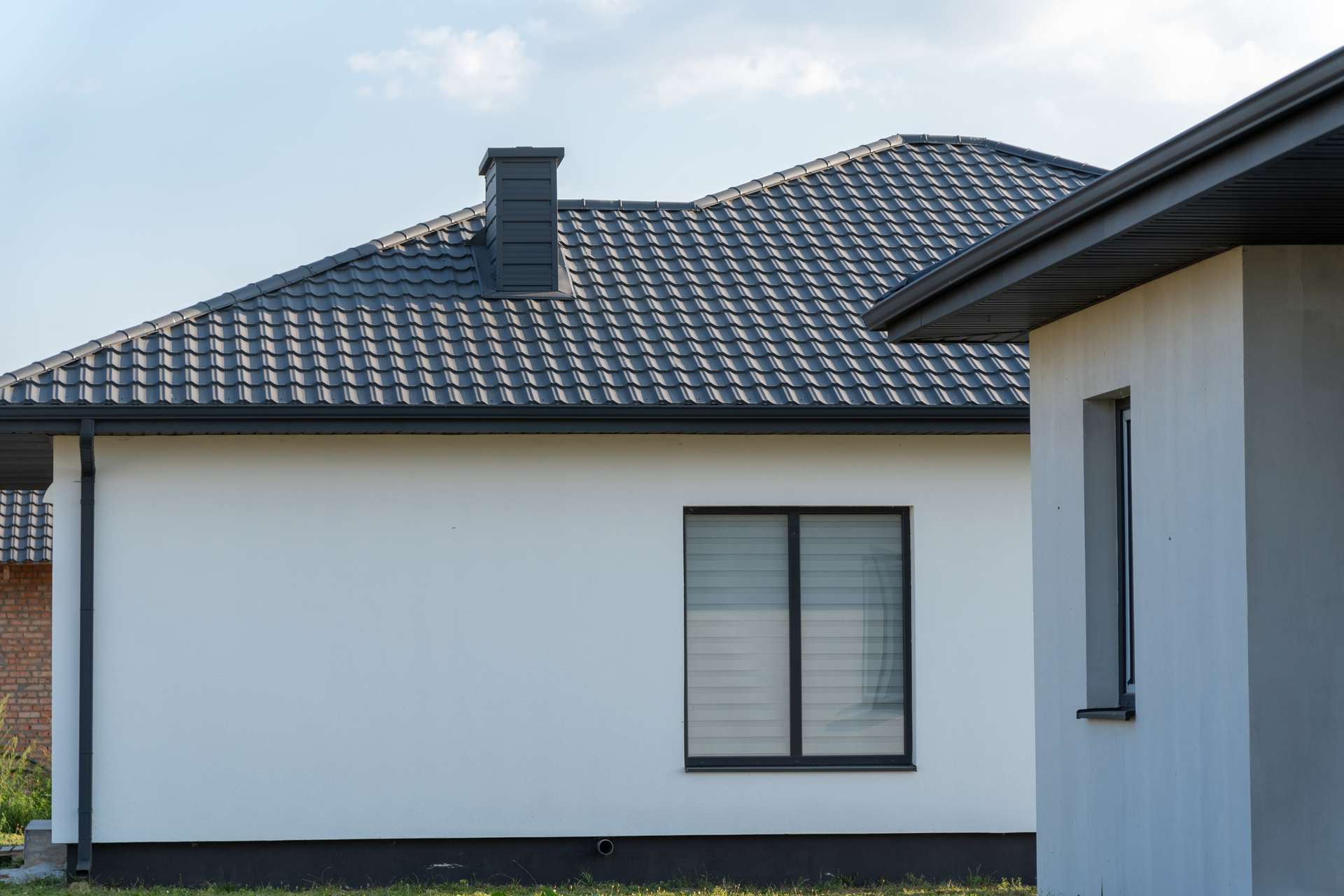
Planning a painting project? Wondering about the cost to paint a roof in South Africa? Guides suggest painting costs range from R50 to R150 per square metre. Most often, it falls between R85 and R120 per square metre.
But, the actual cost depends on several factors. These include the roof type, its condition, and the total area. The pitch and complexity of the roof, paint quality, and how you apply it also play a role. Whether you choose a contractor or a handyman affects the price too.
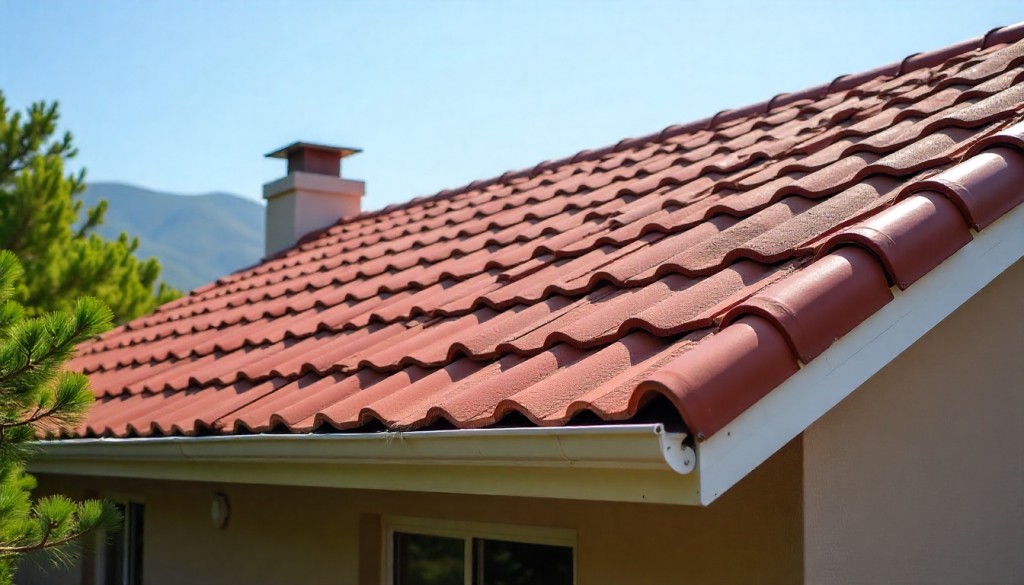
Choosing a professional for roof painting has its perks. It can make your home look better, last longer, and save energy. Reflective paints can even help with energy costs. Plus, it protects your roof from harsh South African weather.
This article will guide you through the costs per square metre. We’ll cover what’s included in quotes, like labour and paint. You’ll learn about the specific needs for different roof materials and preparation methods.
We’ll also discuss choosing a contractor and budgeting tips. This way, you can make a smart choice for your roof painting in South Africa.
Understanding the cost to paint a roof in South Africa

Before you hire a team, you need to know the costs. The price to paint a roof changes based on the material, where you live, and how many coats you want. Make sure to ask what’s included in the price per square metre or square.
Typical national price ranges per square metre
Experts and contractors give different price ranges. Procompare says it’s between R50–R100 per square metre, including labour and paint. Others say the average is around R85–R120 per square.
Some providers might charge between R50–R150 per square metre. This depends on the paint quality and how well the surface is prepared.
How the cost to paint a roof differs between cities
The cost can vary by city. In Johannesburg, prices for small jobs might be lower. Handyman Johannesburg quotes R40–R80 per sqm for general work.
Your local prices in Cape Town, Pretoria, or Durban might be higher or lower than the national average.
What is usually included in a per-square-metre price
- Labour for cleaning and painting, often including pressure washing.
- Paint and materials for the quoted number of coats; typical quotes cover two coats.
- Basic surface prep such as rust treatment for metal roofs and removal of loose material.
Roof type and material impact on painting costs

Choosing the right approach starts with the type of roof you have. Each roof type demands different preparation, the correct paint used, and specific application methods. These factors affect your final quote.
Metal and tin roofs need rust treatment before any coating is applied. Expect rust removal, a metal-specific primer, and protective topcoats. Metal roof painting systems use two to three coats.
Spray application is common for tin and metal roofs. It speeds work and gives even coverage. Coverage rates for some metal coatings reach about 50–60 m2 per 20L. Quality products can stretch the lifespan of a metal roof to decades when applied correctly.
Tile roof work focuses on sealing hairline cracks and improving adhesion to a porous surface. You will often see a primer followed by one or two layers of a tile roof coating. Coverage depends on the product and surface roughness, typically 50–80 m2 per 20L.
Labor is slightly higher for tile roof jobs because of the fragile tiles and extra sealing steps. This can increase per-square-metre cost compared with large metal roofs.
Concrete and other roof materials demand paints with high adhesion and weather resistance. Porous substrates may absorb more product, so you should budget for higher coverage needs. Use coatings formulated for concrete and a primer where specified to avoid peeling.
The correct type of paint used on concrete roofs prevents premature failure. It gives you a longer service life.
- Confirm the exact type of roof before you request quotes.
- Ask contractors for coverage rates and the type of paint used per coat.
- Factor in extra labour for surface repairs, sealing, and rust treatment.
Size, pitch and complexity of the roof affecting final price
Getting a quote starts with understanding your roof’s size and shape. The roof’s size determines the amount of paint, primer, and work needed. A bigger roof can make the cost per square metre lower because more area is covered.
How roof size (square metres) drives material and labour costs
- Measuring your roof’s area correctly is key. Multiply its width by length or get a pro to measure to avoid budget mistakes.
- Guessing the roof size wrong can lead to extra costs for paint, scaffolding, or more labour hours.
Pitch, access and safety requirements that increase labour cost
- High roofs and heights mean more safety gear and fall protection, adding to the cost.
- Tricky access spots mean a higher price per square metre for painting your roof.
Complex features—dormers, valleys and penetrations that add time
- Details like dormers, valleys, chimneys, and skylights take more time and effort.
- Fixing seals and flashing around openings is often extra work. It might be extra or increase the rate.
- Request a site visit to ensure your quote covers all the roof’s details and area.
Paint quality and type used affect longevity and cost

Choosing the right paint is key to your roof’s longevity and how often you’ll need to repaint. High-quality paint may cost more at first but can make your roof last 10–25 years longer. This is a smart investment for less maintenance in the long run.
On the other hand, cheaper paints might save you money upfront. But they often fade, chip, and don’t stick well. This means you’ll need to repaint more often, which adds up in cost. Opt for quality paint for better sun and rain protection and fewer touch-ups.
Type of paint used is also important for each roof material. Metal roofs need special primers to prevent rust. Tiled roofs do best with flexible coatings. Concrete roofs need masonry primers to prevent peeling.
Reflective and heat-reducing coatings are pricier but offer benefits. They can reduce the amount of heat your roof absorbs, saving on cooling costs in hot climates. These savings can make the extra cost worth it over time.
Choose products made for South Africa’s weather. In South Africa, Pittura is good for metal, Renew for tiles, and SealPro Coatings for waterproofing. Make sure to check the coverage rates to estimate costs for your roof size.
When getting quotes, ask about the primer, coverage per 20L, and adhesion tests. The right primer and surface prep are as critical as the topcoat for lasting performance.
Preparation, surface treatment and coats required
Before painting your roof, a detailed plan for surface repair and prep is essential. Cleaning and small repairs are key for lasting results. Without them, paint may not stick well and you might need to repaint soon.

Pressure washing is often used to clean off dirt, moss, and loose material. It makes the surface ready for primer and paint to stick well. If pressure washing is not mentioned, ask about it.
For metal roofs, removing rust is a standard step. This can involve wire-brushing, sanding, or using chemical converters. After removing rust, a metal primer is applied to protect and help paint stick better.
Minor repairs are usually listed separately. These include fixing loose screws, repairing flashing, and patching cracked tiles. These tasks are important to prevent leaks and paint failure.
- Primer is critical. A good primer makes the surface even and helps paint stick better.
- Typically, one primer coat and one or two topcoats are used. Metal roofs often need two topcoats.
- More paint coats mean more material and labour. This increases the upfront cost but reduces the need for future repainting.
Removing loose material like flaking paint or debris takes time. This work is often listed separately or included in a higher quote. A solid base is what makes a job last.
Application methods and how they influence price

Choosing the right painting method affects your final cost. Airless spray and brush/roller methods have different prices. Each method changes the time needed, materials used, finish quality, and equipment required.
Spray painting offers fast, even coverage on large or corrugated metal roofs. It saves time on big surfaces, which can lower costs. Spray painting is often used for tin roofs with corrugations for even coverage.
Brush/roller is better for small areas, edges, and repairs. It takes longer but offers more control on details. Many use spray for the main area and brush/roller for details to balance cost and quality.
When considering spray painting a tin roof, look at the quotes closely. Prices vary based on prep, rust treatment, and paint system. Make sure to ask if the spray process includes masking and overspray protection.
Quotes depend on crew size and equipment. A team with an airless sprayer and pressure washer covers more area than one person with a brush/roller. Ask for the estimated days, crew size, and equipment costs.
- Equipment: airless sprayers, pressure washers, ladders or elevated platforms are common items factored into quotes.
- Crew size: larger crews work faster, but may add to costs.
- Productivity: contractors base prices on daily output per crew and method.
Before signing, ask for a detailed estimate. It should list the painting method, equipment, and how crew size affects work. This makes costs clear and helps compare bids.
Labour cost, contractors and service level choices
Hiring professional roof painters near you means getting a full service. This includes surface prep, primer, and two or more coats. They also use safer methods to access your roof.
Paint a roof with handyman might save money upfront. But, a handyman might not do the detailed prep or use as many coats. This could save you money short-term but might cost more in the long run.
- Pros of handyman work: cheaper labour for small, simple jobs.
In Johannesburg, labour rates help you compare quotes. Handyman rates are R40–R80 per square metre. Residential jobs might cost around R105 per square metre for cleaning and two coats.
National guidelines suggest R50–R100 per square metre for labour and paint. Ask contractors to break down costs so you can spot any extra charges.
Regional price examples and typical per square metre figures
Before you ask for quotes, use these examples to know what to expect. Prices vary based on location, prep work, and paint quality. Read each example to find the best fit for your roof and budget.
Johannesburg benchmark
In Johannesburg, prices for painting roofs vary a lot. Handyman Johannesburg offers prices from R40 to R80 per square metre for basic jobs. More detailed quotes, including cleaning, rust treatment, primer, and two coats, are usually around R105 per square metre.
Market estimate ranges across South Africa
National estimates range from R50 to R150 per square metre, depending on location and paint quality. Procompare shows many jobs priced between R50 and R100 per square metre for standard work and paint.
Jobs that need special care, like tin roof spray and heavy prep, can cost up to R150 per square metre. For mid-range coatings, prices usually range from R80 to R105 per square metre.
Residential versus commercial pricing
Residential jobs often cost more per square metre because of complex roof shapes and smaller sizes. Prices for residential jobs usually fall between R85 and R120 per square metre.
Commercial painting, on the other hand, benefits from larger sizes. Big, simple roofs can get prices down to R85 per square metre or less, if access and prep are easy.
Always ask for a detailed quote to compare prices. This way, you can see why some quotes are R80 per square metre and others are R150 per square metre.
Budgeting your roof painting project and cost-saving tips
First, measure your roof to figure out how much paint you need. Use product datasheets to find out how much paint covers. For tiled roofs, expect 50–80 m² per 20L. Metal roofs need 50–60 m² per 20L.
Then, add 10–15% to your roof area for extra paint. This is for wastage, overlaps, and touch-ups.
Include primer and coats. Remember to count the primer and finish coats when figuring out costs. Each coat adds to the material cost. Reflective or heat-reducing coatings might cost more but save energy over time.
Choose high-quality paint for fewer repaints and better roof care. These paints cost more but save money in the long run. They also reduce repair needs.
Do repairs and painting together to save on labour. Combining these tasks lowers costs. Schedule painting in dry months to avoid extra drying costs.
Get detailed quotes by asking for a site visit. An on-site visit helps estimate costs better. Ask for a written scope that includes primer, prep steps, and drying times.
- Request itemised estimates showing labour, material cost, primer and coats.
- Compare painting offers by matching crew size and application method: spray versus roller affects speed and finish.
When comparing quotes, look at more than just the price. A low price might mean skipping important steps or using cheap materials. Itemised bids help you spot these and choose the best value.
Conclusion
The cost to paint a roof in South Africa is about R50 to R150 per square metre. Most homes pay between R85 and R120 per square metre. The final cost depends on the roof type, preparation, paint quality, and how it’s applied.
More practical roof, damp and waterproofing guides
Continue with closely related guidance, then review the relevant Cape Town service page.
Discuss your painting requirements
Review CDC Painters services or request a project-specific quotation.