

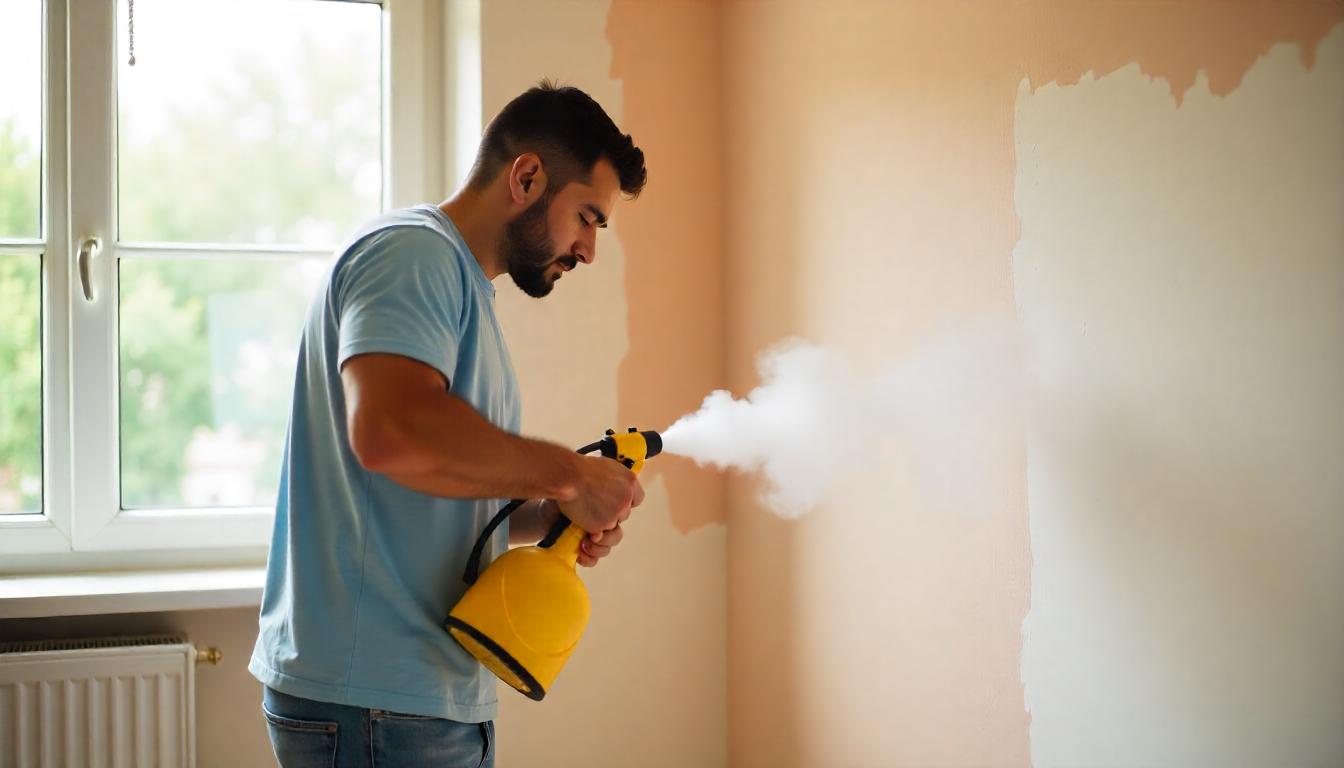
Ever thought about changing your room without the mess of old methods? Picture taking off old paint easily, revealing a new, clean area. This can be done safely and without taking too much time.
Yes, taking off old paint seems hard, but it’s possible to do it well with some knowledge. The way you remove paint changes depending on the paint and where it’s on. You might scrape it off or use special chemicals. This guide will show you the best ways to remove paint safely and quickly.
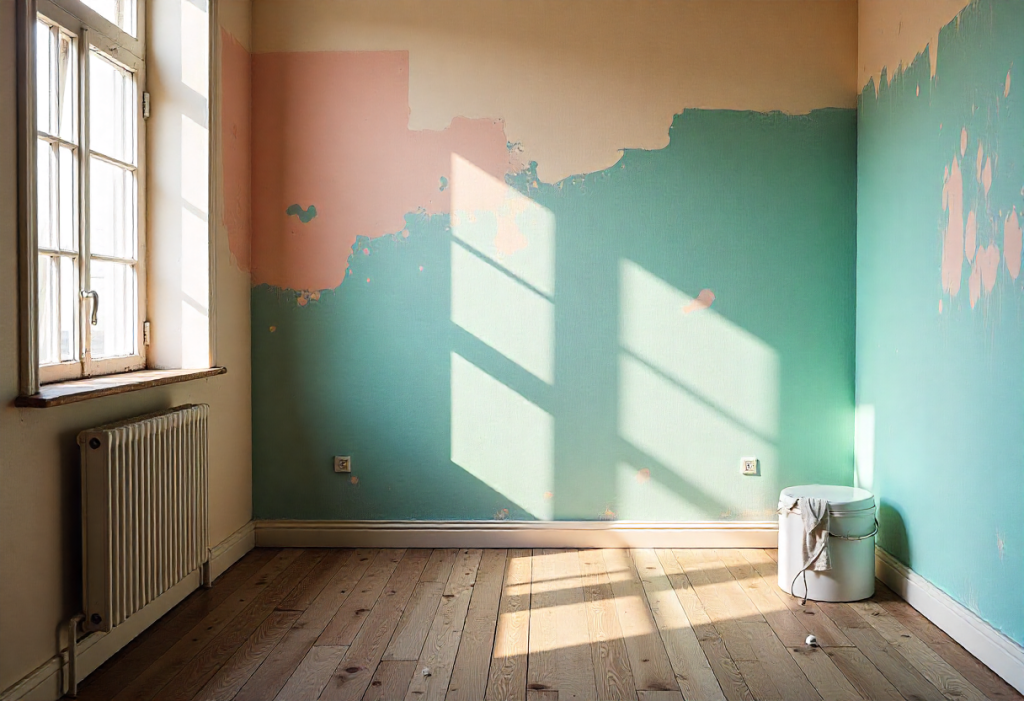
Understanding Paint Types for Effective Removal
Before you start removing old paint, it’s crucial to know about different paint types. Each type needs a specific method to take it off correctly. This way, you can do the job well and stay safe.
- Water-Based Paints: Also called latex paints, these are easy to apply and clean. You can wash them off with soap and water when they’re wet. For dry paint, you might need heat, scraping, or a special remover.
- Oil-Based Paints: Known for lasting a long time and looking shiny, oil paints are tough to remove. You may need strong chemicals or heat to get rid of them properly.
- Spray Paints: These come in water- or oil-based types and are very versatile. Getting spray paint off, especially from spongy surfaces, can be hard. You might need to use chemicals and tools to scrape it off.
Knowing the differences helps you tackle paint removal confidently. With the right tools and knowledge, whether it’s water-based, oil-based, or spray paint, you’re set for success.
Tools and Materials You Need
To get rid of old paint, you need the right gear. Paint scrapers are a crucial part of your kit. They let you peel off old paint from surfaces like wood by hand. Get a high-quality scraper that feels good in your hand. This makes it easier to control and use.
Heat guns and infrared tools are great for those avoiding chemicals. They soften the paint so you can scrape it off easily. Just remember to wear heat-resistant gloves and work where there’s plenty of air.
There are different kinds of chemical strippers, like caustics and solvents. They’re key for taking off many layers of old paint. Putting on chemical strippers before scraping can make the job a lot easier. Always use them safely by following the directions and wearing gloves and masks.
Having paint scrapers, heat guns, infrared tools, and chemical strippers means you’re ready for any paint-removing job. You can do it efficiently and stay safe.
Step-by-Step Guide to Removing Paint from Different Surfaces
Getting paint off wood, metal, and concrete needs different tricks. Here, we’ll show you how to do it like a pro.
- Wood: For wood, pick from these ways:
- To start, put on a good chemical stripper evenly. Wait as directed so the paint gets soft.
- Or use a heat gun to heat the paint till it bubbles. Keep it far enough to not burn the wood. Then, gently scrape the soft paint with a putty knife. Be careful not to damage the wood.
- Metal: With metal, you need to be careful. Your choices include:
- Put on a metal-friendly chemical paint remover. It goes deep into the paint, making it easy to scrape away.
- Or use a heat gun at a low setting, because metal gets hot fast. When the paint blisters, scrape it off. Make sure not to overheat and warp the metal.
- Concrete: Concrete’s rough texture means you need strong methods:
- Apply a powerful chemical paint stripper made for stone. Use plenty and wait for it to work through the paint.
- If paint sticks, try sandblasting, but keep safety in mind to control dust and bits.
How to Remove Old Paint Safely and Efficiently?
To safely remove old paint, start by figuring out the paint type and surface. This helps pick the best efficient techniques to strip paint safely. It’s crucial for your and the environment’s safety.
When you’re removing toxic paints, like those with lead, safety comes first. Wear gloves, masks, and eye protection. Whether you use chemicals, heat guns, or sand, be careful. Pick the method that fits your project best.
Make sure your work area is well-ventilated to avoid breathing in bad fumes. Always throw away paint waste safely to keep your space clean.
Using the right methods and being cautious keeps you and the surface safe. Following these steps, you can efficiently remove paint without risks. Your project will turn out well and safely.
Safety Precautions to Follow
Keeping safe while taking off old paint is very important. You should wear Personal Protective Equipment (PPE). This includes gloves, goggles, and a respirator. These items keep your hands, eyes, and lungs safe from bad chemicals and debris.
Having good airflow where you work is also crucial. When removing paint in small spaces, make sure there’s enough air moving. Open windows and doors, or turn on fans. This helps get rid of harmful fumes and keeps you safe from inhaling them.
Finally, it’s important to throw away old paint and chemical strippers the right way. This stops them from hurting the environment. Make sure to follow your local rules for getting rid of hazardous waste. Sometimes, this means taking them to special disposal sites or community events for hazardous waste.
Common Mistakes to Avoid
When removing old paint, be cautious of mistakes that can cause frustration and extra cost. A big mistake is over-scraping. This can hurt the paint and damage what’s underneath. It may lead to needing more repairs. Be sure to use the right amount of force and the correct tools. This helps prevent causing more problems than you solve.
Another mistake is using the wrong chemicals. If you choose paint removers that don’t match your paint type, your work might not do anything. It could even harm your surfaces. Always read the product instructions and maybe do a test spot to check if it works okay. By being careful in your approach to removing paint, you can ensure you do it effectively while keeping your surfaces safe.
Eco-Friendly Paint Removal Methods
Switching to eco-friendly paint removal methods helps both the environment and your health. Using natural paint removers like soy gel and citrus-based solutions is a smart move. These are not just effective; they also cut down your exposure to dangerous chemicals.
Trying out heat-based techniques is another smart idea. Use heat guns and steam strippers to take off old paint without harmful chemicals. Heat softens the paint for easy removal. This way, you get a clean surface and a healthier home.
Mixing these eco-friendly paint stripping methods gives the best outcome. You’re not only taking care of your home but also supporting the planet. This is because you choose natural solutions over harsh chemicals.
When to Call a Professional
Knowing when to call a pro is key for safety and efficiency, especially with dealing with lead paint. If your home is old, it’s important to know about possible dangers.
When paint has lead, you need experts. Lead paint removal needs certified pros who can safely manage hazardous materials. Trying to remove lead paint on your own can harm your health. It can cause serious lung problems and contaminate your home.
Think about getting a pro for big paint stripping jobs or if lead paint might be there. These experts use special tools and methods for safe lead paint removal. Choosing professional help ensures the best results and keeps your family safe.
Always focus on safety and getting things right with dealing with lead paint. Know when to call experts who are ready to do the job safely and well. DIY might be tempting, but your health and safety are most important.
Maintaining and Cleaning Surfaces Post-Removal
After you get rid of old paint, it’s key to clean and maintain surfaces for a perfect finish. Sanding and smoothing are super important. They lay the groundwork for any paint or finish you plan on applying.
Begin with sanding and smoothing the surface. This step gets rid of old paint bits and makes the base even. This helps the new paint stick better. Use the right sandpaper and move it smoothly to avoid rough areas.
After sanding well, it’s time for final cleaning. You need to dust and wipe down thoroughly to get rid of all the dust and bits. A clean, slightly wet cloth or a gentle cleaner is best for this job.
- Remove any remaining dust with a tack cloth.
- Ensure no moisture is left behind to prevent paint adhesion issues.
These steps make sure the surface is super smooth and ready for painting. Doing sanding and smoothing and final cleaning right makes your surfaces spotless. They’re then ready for whatever new look you decide on.
Conclusion
Talking about removing paint, we learn that knowing about paint types and surfaces is key. Knowing the paint and surface lets you pick the best way to take it off. You might use chemicals, heat guns, or green options.
Tools and safety are super important too when stripping paint. Things like scrapers and sanders help do the job right, without hurting the surface. Wearing the right safety gear and having good air flow keeps you safe from harm.
After taking the paint off, it’s critical to clean and take care of the surface. Clean surfaces look better and are ready for a fresh coat of paint if you want. If the job seems too much, getting a pro can give you amazing results.
What is the easiest way to remove paint from a metal surface?
The easiest way to remove paint from a metal surface is to use a commercial paint stripper that is designed specifically for metal. Always test the product on an inconspicuous area first to ensure it does not damage the surface.
How do I safely strip paint from furniture?
To safely strip paint from furniture, start by covering the surrounding area with a drop cloth to catch any paint spills. Apply a commercial paint remover, and use a paint scraper or putty knife to gently scrape off the paint, ensuring you avoid damage to the wood underneath.
What types of safety gear should I use when removing paint?
When removing paint, it is important to wear safety goggles to protect your eyes from splashes and a mask to avoid inhaling fumes. Gloves are also recommended to protect your skin from chemicals in paint strippers.
Can I use traditional paint removal methods on lead-based paint?
Yes, but you must take extra precautions when dealing with lead-based paint. It is advisable to hire a professional for removal or follow strict safety guidelines if you choose to do it yourself, including using a mask and ensuring proper ventilation.
How can I avoid damage while removing paint from wood?
To avoid damage while removing paint from wood, choose the right type of paint stripper that is gentle on wood surfaces and use a paint scraper or putty knife with a flexible blade. Always test on a small, inconspicuous area first.
What should I do if I encounter stubborn paint?
If you encounter stubborn paint, try applying a thicker layer of paint stripper and let it sit for a longer period. You can also use a paint scraper or putty knife to gently scrape off the paint after allowing the stripper to penetrate the layers of paint.
How do I clean up paint spills after a paint removal task?
To clean up paint spills after a paint removal task, use a cloth dampened with the appropriate solvent based on the type of paint you were removing. Dispose of any used drop cloths or rags according to local hazardous waste guidelines.
What are some common types of paint used that I may need to remove?
Common types of paint you may need to remove include latex-based paint, oil-based paint, and spray paint. Each type may require different methods or products for effective removal.
How can I ensure I am choosing the right paint stripper for my project?
When choosing the right paint stripper, consider the type of paint you need to remove, the surface you are working on, and whether you prefer a more environmentally friendly option. Always read product labels and reviews for guidance.
More practical exterior and preparation guides
Continue with closely related guidance, then review the relevant Cape Town service page.
Discuss your painting requirements
Review CDC Painters services or request a project-specific quotation.