

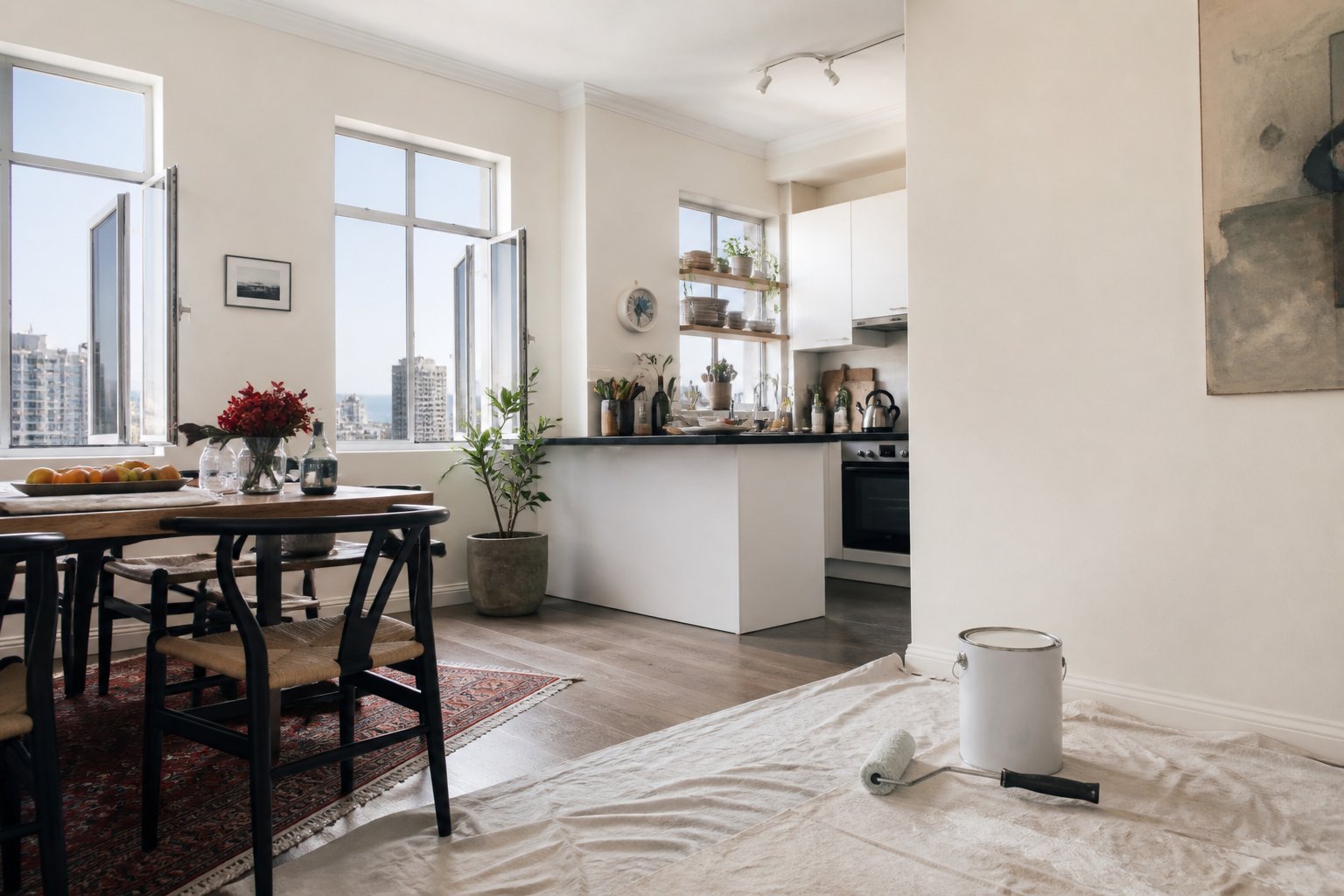
Painting an occupied home, rental or office calls for more than a convenient colour. The coating system must suit the surface, tolerate the expected cleaning and limit disruption to people using the property. Low odour and washability are useful requirements, but they describe different aspects of paint performance.
Low odour, low VOC and washable are not the same thing
Odour is what occupants notice while paint is being applied and dried. Volatile organic compounds, usually shortened to VOCs, are substances that evaporate from a coating. A product may be marketed as low odour or have a low stated VOC level, but those terms should be checked against the manufacturer’s current technical information rather than treated as interchangeable.
Washability describes how well a cured finish tolerates cleaning. It does not tell you how much the paint smells during application. A suitable occupied-property specification may need both characteristics, but the products and preparation still have to match the walls, ceilings or trim being painted.
CDC Painters undertakes interior painting in Cape Town. A site assessment can identify existing coatings, damaged areas, ventilation limits and the level of cleaning each room is likely to receive.
Choose the system for the room, not one paint for everything
Bedrooms and lounges usually face light soiling and occasional wiping. Entrances, passages and children’s rooms receive more contact and need better resistance to routine cleaning. Kitchens have grease and moisture. Bathrooms need a coating suitable for humid conditions, along with working ventilation and attention to any existing mould or damp.
Offices add their own wear points: reception areas, corridors, meeting rooms, kitchenettes and walls behind chairs. A rental property needs finishes that can cope with normal turnover cleaning without making every future touch-up difficult. Specifying the same finish throughout may look simple on paper, but it can underperform in demanding areas or create unnecessary cost in low-contact rooms.
| Area | Main concern | Specification question |
|---|---|---|
| Bedroom or lounge | Low disruption and occasional marks | Is the cured finish suitable for gentle wiping? |
| Passage or entrance | Scuffs and frequent contact | What level of scrub or wash resistance is stated? |
| Kitchen | Grease, splashes and moisture | Is the coating approved for the surface and cleaning method? |
| Bathroom | Humidity, condensation and mould risk | Has moisture control been addressed before painting? |
| Office or rental | Cleaning, downtime and future maintenance | Can work be phased, and will touch-ups blend acceptably? |
Sheen affects cleaning, appearance and touch-ups
Higher-sheen finishes have traditionally been chosen where regular cleaning is expected, while matt finishes help disguise minor surface irregularities. Modern product ranges vary, however, and some lower-sheen wall coatings are designed to be washable. The technical data for the specific product matters more than a general rule about sheen.
Sheen also changes how walls look. Side light can expose roller marks, repairs and uneven plaster in a shinier finish. Cape Town homes with large windows often receive strong directional light, so sample areas are helpful. In offices, broad walls beside windows can show differences between old and new paint more readily than smaller, shaded surfaces.
Touch-up behaviour should be discussed for rentals and high-use offices. Even when the original paint is retained, aged walls may have faded or collected dirt. A small patch can remain visible because of colour, sheen or application differences. Repainting a full wall from corner to corner often gives a more consistent result.
Preparation still controls the result
Washable paint cannot compensate for a weak or contaminated base. Walls should be sound, clean and dry. Grease, dust, soap residue and loose coating can prevent adhesion. Filled areas may absorb paint differently and require spot priming. Existing glossy surfaces may need cleaning and abrasion before another coating is applied.
Cracks and damaged plaster need appropriate preparation. The crack repairs and plastering service page sets out CDC’s related scope. Recurring cracks, significant movement or signs of structural trouble should be assessed by the appropriate specialist rather than concealed with filler and paint.
Brown marks, bubbling paint, mould and persistent musty odours can point to moisture. The source must be understood before decoration continues. CDC offers damp proofing in Cape Town where the issue falls within that service. Plumbing leaks, failed seals or other defects may need a different trade. Fresh paint over active damp is likely to stain, blister or peel again.
Occupied homes need a practical work plan
A low-odour product can make a project easier to live with, but it does not remove the need for ventilation, room closures and safe storage. Agree on a sequence that keeps essential bedrooms, bathrooms and cooking areas available. Occupants with asthma, allergies or chemical sensitivity should review the proposed product information and seek relevant medical guidance if needed.
- Remove food, medication, fabrics and fragile items from the immediate work area.
- Keep children and pets away from wet coatings, tools and open containers.
- Use ventilation that is suitable for the weather and the security of the property.
- Confirm when a room may be reoccupied and when painted surfaces may be cleaned.
- Do not assume that a faint smell means the coating is fully dry or cured.
Winter rain and cooler indoor temperatures can lengthen drying times. Conversely, strong airflow can make application difficult if the surface dries too quickly. The painter should work within the coating manufacturer’s stated conditions and recoat times.
Planning rentals and working offices
Rental properties: durability without making maintenance harder
Rental specifications should reflect the likely wear, cleaning routine and handover programme. Neutral colours can simplify future matching, but colour alone does not make a system practical. Keep a record of the manufacturer, product, colour reference, sheen and batch details where available. Clearly labelled leftover paint can help with minor maintenance, although a perfect touch-up should not be assumed.
Plan painting after repairs and before the final clean. If only selected walls need attention, inspect them in daylight to decide whether local touch-ups will be acceptable. Landlords should also distinguish ordinary decoration from moisture or plaster repair when setting the scope. CDC’s broader painting services in Cape Town include interior and exterior work for different property types.
Offices: reduce disruption through phasing
In a working office, access may be as important as product choice. Break the project into zones and identify meeting rooms, reception areas and routes that must remain open. Desks, screens, network equipment and documents need suitable protection. Agree on ventilation and when staff may return to each completed zone.
Low odour does not justify painting around unprotected occupants or ignoring the safety information for the coating. Product data sheets and label instructions should guide handling, ventilation and reoccupation. The commercial painting scope is relevant for offices and other business premises that need planned access.
Facilities managers should confirm the cleaning method with their maintenance team. Aggressive chemicals or abrasive pads can damage even a washable finish. A mild cleaner, soft cloth and the manufacturer’s guidance are a safer starting point once the coating has cured.
Questions to ask before approving a paint system
Ask for the exact product type and sheen proposed for each surface. Review the technical data for VOC information, recommended substrates, preparation, drying, recoating, curing and cleaning. Confirm whether primer is required and how repaired or stained areas will be treated.
The quotation should separate the rooms and surfaces included, describe preparation and state who will move and protect contents. It should also explain the planned sequence for an occupied property. For an assessment of your home, rental or workplace, contact CDC Painters.
Frequently asked questions
Does low-odour paint have no smell?
No. Low odour means the smell is reduced, not necessarily absent. Perception differs between people, and ventilation and drying conditions affect what occupants notice.
Can washable paint be scrubbed immediately?
No. Paint needs time to cure before cleaning. Follow the product manufacturer’s stated cure and cleaning instructions, and start with a gentle method rather than an abrasive pad.
Is a higher sheen always more washable?
Not always. Sheen can influence cleanability, but product formulations differ. Check the stated wash or scrub performance of the exact coating rather than choosing on sheen alone.
Can mould simply be painted over?
No. The moisture and ventilation conditions behind mould growth need attention, and the surface must be treated and prepared correctly. Persistent or extensive mould may require specialist advice.
What records should a landlord or facilities manager keep?
Keep the product name, manufacturer, colour reference, sheen, application date and any relevant data sheets. These details make future maintenance and repaint planning easier.
More practical interior and property planning guides
Continue with closely related guidance, then review the relevant Cape Town service page.
Discuss your painting requirements
Review CDC Painters services or request a project-specific quotation.